The Fruit of the Spirit: Living Evidence
Love, joy, peace, patience, kindness, goodness, faithfulness, gentleness and self-control — what the fruit of the Spirit is, how it grows, and why it is the real evidence of new life.
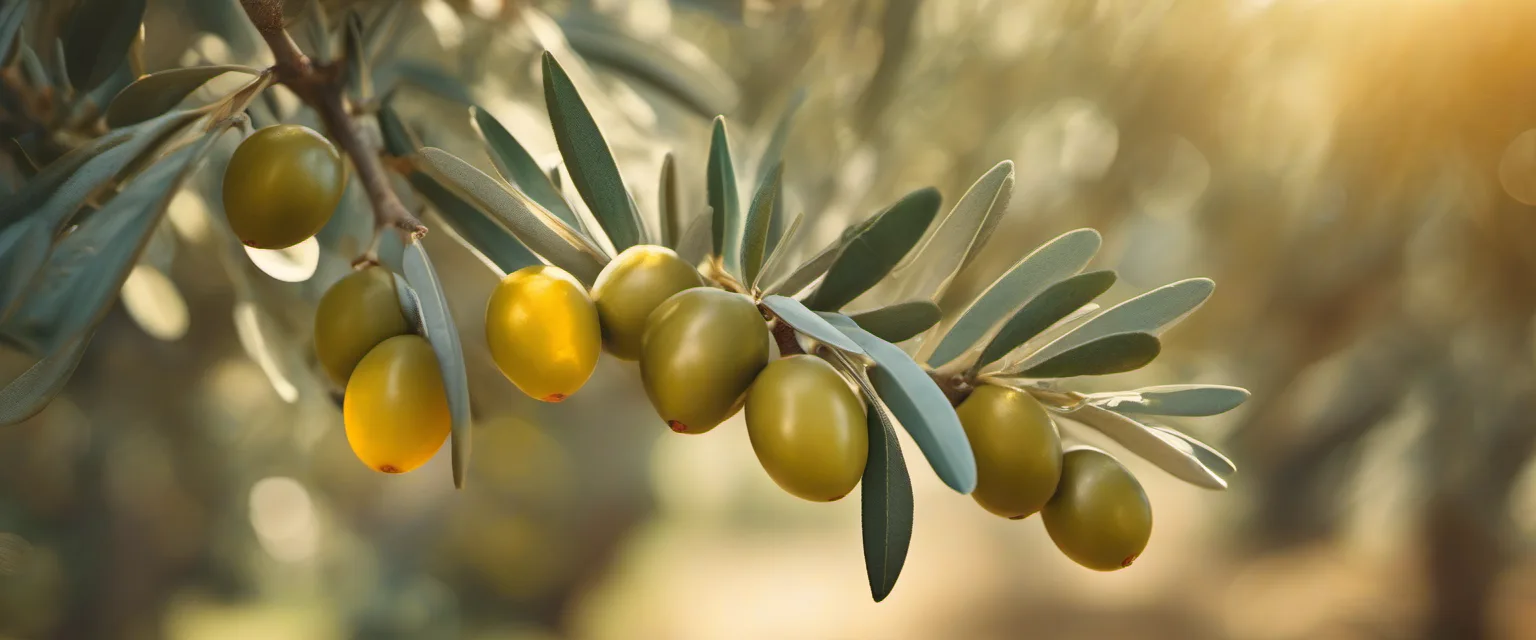
The single sentence in Galatians 5:22–23 has given the church its most beloved list: “the fruit of the Spirit is love, joy, peace, forbearance, kindness, goodness, faithfulness, gentleness and self-control.” It hangs on fridge magnets, appears in confirmation classes, and gets sung about in children’s songs. Which is exactly why it deserves a closer look — the most familiar verse in the New Testament is often the least examined.
The sentence that came before
Context first. Paul has spent most of Galatians defending a single claim: we are saved by grace through faith, not by keeping the law. Then, at the end of chapter 5, he turns to the practical question his critics keep raising. If the law no longer governs us, what stops us from running wild? His answer is not a new law. It is a new life.
Paul describes two families in conflict: the “acts of the flesh” — sexual immorality, idolatry, hatred, discord, jealousy, fits of rage, envy, drunkenness — and the “fruit of the Spirit.” The contrast is the whole argument. The flesh produces acts; the Spirit produces fruit. Works are things you do. Fruit is what grows when you are connected to something living.
That is why Paul says “fruit,” singular. Not “fruits.” The nine qualities are not nine separate achievements you stack like trophies; they are one character, seen from nine angles, produced by one source.
Three faces of the same character
The nine qualities arrange themselves naturally into three groups, each facing a different direction.
Toward God: love, joy, peace. These are not emotions you manufacture. Biblical joy (chara) is deeper than happiness — it survives circumstances. Biblical peace (eirene, echoing the Hebrew shalom) is not the absence of conflict but the presence of wholeness. Both flow from love, the first and greatest quality, which Paul elsewhere defines not as a feeling but as a decision: “love is patient, love is kind” (1 Corinthians 13:4).
Toward others: patience, kindness, goodness. Patience (makrothumia) literally means “long-tempered” — the opposite of the short fuse that characterizes the flesh. Kindness is active goodwill; goodness is integrity translated into action. These three are the social fruit: the qualities other people can verify.
Toward self: faithfulness, gentleness, self-control. Faithfulness is reliability — being someone whose word holds. Gentleness (prautes) is not weakness but power under discipline, like a horse that has been broken and now obeys the lightest touch. Self-control is the master virtue, the ability to say no to the impulses the flesh treats as rights.
Fruit grows, gifts are given
Paul draws a deliberate contrast between the Spirit’s fruit and the Spirit’s gifts elsewhere in his letters. Gifts — teaching, healing, prophecy, tongues — are given to individuals and vary from person to person. Everyone gets different gifts. Fruit is expected in every believer, and it is identical in every believer. No Christian is exempt from love; no Christian is licensed to skip kindness.
There is a second difference: gifts can appear instantly, but fruit takes a season. You do not wake up one morning bearing fully ripened self-control. Fruit grows slowly, on a tree that is planted, watered, pruned and given years. Spiritual maturity is a vineyard, not a vending machine — which is encouraging news for everyone who is not yet what they want to be.
The real evidence
Paul’s point in Galatians is sharper than it looks. The false teachers were measuring spirituality by visible observances: circumcision, food laws, calendar keeping. Paul says the real evidence of the Spirit is not what you perform but what you produce. The fruit is the only reliable test. “Against such things there is no law” — no law forbids love; no law is needed to control a life that is genuinely full of peace and self-control.
Jesus said the same thing with a farming metaphor: “a tree is recognized by its fruit” (Matthew 12:33). You can claim the root; you can display the labels; but the tree is judged by what it bears. The fruit of the Spirit is the living evidence that the Spirit actually lives in you.
How it grows
Nothing in the passage tells you to grit your teeth and produce more patience. The command embedded in it is different: “walk by the Spirit” (5:16) and “keep in step with the Spirit” (5:25). The fruit grows from connection, not effort. Stay close to the vine, and the fruit appears — sometimes slowly, sometimes in seasons you did not expect, but reliably, the way a well-watered tree produces in its time.
That is the quiet miracle of the Christian life. The same Spirit who convicts, teaches and empowers is the one who ripens character. The work of becoming like Christ is not your project; it is his, and the fruit on your tree is his harvest.
For how the Spirit’s work continues when the enemy presses in, see The Armor of God: Spiritual Warfare for Everyday Life. For more on how spiritual growth actually works, start with Reading Scripture Like a Scholar.
Written by
JellyPuff Media
Editor-in-Chief
Auckland-based publisher producing warm, honest Bible study content for readers everywhere.
Keep reading
Related articles

Salvation: What the Bible Actually Says About Getting to Heaven
Everyone wants to know how to get to heaven, but the Bible's answer is more surprising — and more generous — than most people expect. Here is what Scripture actually teaches.

How to Pray: What Jesus Actually Taught About Talking to God
Jesus' disciples asked him for one thing above all else: teach us to pray. What he taught was not a formula but a way of coming to the Father — bold, honest, persistent, and already heard.

When Heaven Seems Silent: What the Bible Really Says About Unanswered Prayer
Every praying Christian meets the silence — the prayer that seems to bounce off the ceiling. Scripture does not explain it away. It gives us language for it, companions in it, and a Saviour who prayed through it.